
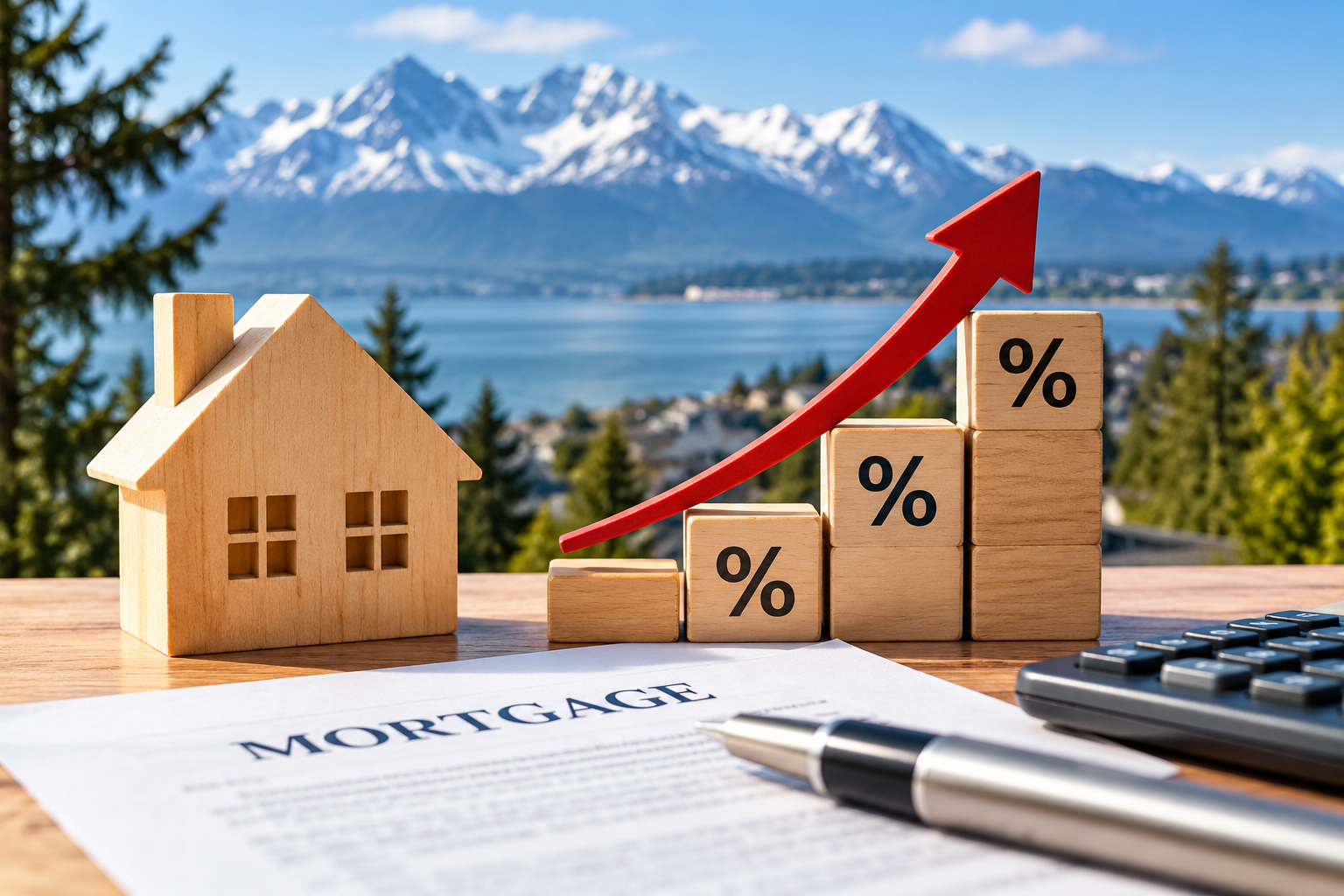
There’s More to Mortgage Rates Than What the Fed Does
If you’ve been watching mortgage rates and wondering why they still feel high compared with a few years ago, you’re not alone. For many buyers, the comparison isn’t really to the long-term history of mortgage rates. It’s to the unusually low rates we saw just a few years ago.
According to Freddie Mac, the average 30-year fixed mortgage rate reached a record high of 18.63% in 1981. So today’s rates aren’t historically extreme, but they can certainly feel high, especially when combined with today’s home prices.
Here’s something that’s important to understand: mortgage rates aren’t controlled by one person, one decision, or even one Federal Reserve policy.
What Actually Influences Mortgage Rates?
You often hear news about the Federal Reserve raising or lowering interest rates. That matters, but the Fed doesn’t simply set the mortgage rate you receive from a lender.
Mortgage rates are influenced by a combination of factors, including inflation, Treasury yields, economic conditions, investor demand, the mortgage-backed securities market, and expectations about future Federal Reserve policy. That’s why you can sometimes hear news about the Fed and then wonder why mortgage rates didn’t move the way you expected.
Where Does Quantitative Tightening Fit In?
You may occasionally hear the term quantitative tightening, or QT, when economists talk about Federal Reserve policy. In simple terms, QT is a process central banks can use to reduce securities held on their balance sheets. This can contribute to tighter financial conditions in the economy.
The Federal Reserve used QT from 2022 through late 2025, reducing its securities holdings by more than $2.2 trillion before ending that period of balance-sheet runoff in December 2025.
Why does this matter to a homebuyer? Mostly because it’s a good example of something many consumers don’t realize: there’s a lot more happening behind the scenes than whether the Fed raises or lowers interest rates.
You don’t need to understand every monetary-policy tool to make a good real estate decision. The important takeaway is that mortgage rates are influenced by a much bigger financial picture.
What Does This Mean for Homebuyers?
Borrowing costs can have a significant impact on purchasing power and monthly payments. But that doesn’t necessarily mean you should put your life on hold while waiting for the “perfect” mortgage rate.
Instead, look at the whole real estate decision. What can you comfortably afford? Does the property meet your needs? How long do you plan to own it? What will your overall housing costs look like? And does buying make sense for your particular situation?
Your lender can help you understand the financing side of that equation. My job as your real estate broker is to help you understand the property, the market, the transaction, and how those pieces fit into your bigger real estate goals.
What Does This Mean for Sellers?
Mortgage rates matter to sellers, too, because they can affect buyer purchasing power. When borrowing costs increase, some buyers may adjust their price range or become more selective about the properties they consider. That’s one reason pricing, condition, presentation, and marketing matter so much.
Here on the Kenai Peninsula, there’s another important factor: our properties can be incredibly different from one another. Acreage, views, utilities, road access, wells or cisterns, outbuildings, property condition, location, and many other factors can affect value and marketability.
A national headline about mortgage rates doesn’t tell you how a particular home or property in Homer will perform. Real estate is local.
What About Real Estate Investors?
For investors, borrowing costs are another part of determining whether an investment makes financial sense. Financing can affect cash flow and potential return, which is why investors should run the numbers based on the financing actually available to them rather than assuming future rates will make the deal work.
It’s the question I come back to again and again: Will it pencil?
The Bigger Real Estate Lesson
There will always be something happening in the economy. Mortgage rates change, markets change, inventory changes, home prices change, and Federal Reserve policy changes. Trying to perfectly predict what all of those things will do next can make it difficult to make any decision at all.
Instead, start with what you know today. Look at your goals, your financial situation, the local real estate market, and the options available to you.
Real estate is local. Your decision is personal. The numbers matter.
Confident real estate decisions don’t start with predicting the future. They start with understanding your options.
A Note About Mortgage Information
Mortgage information in this article is provided for general educational purposes and is based on published third-party information. Go North Realty does not originate mortgage loans or quote mortgage rates or loan terms. Buyers should consult a licensed mortgage professional for current rates, loan programs, qualification requirements, and financing advice.
Ready to Talk Real Estate?
Thinking about buying, selling, or investing in Homer or on the Kenai Peninsula? Let’s talk about your goals and build a real estate strategy that makes sense for you.
Marjorie Pellegrini | Broker-Owner, Go North Realty
Call or Text: 907.299.8271
Website: GoNorthRealty.com
Confident Real Estate Decisions Start Here.